
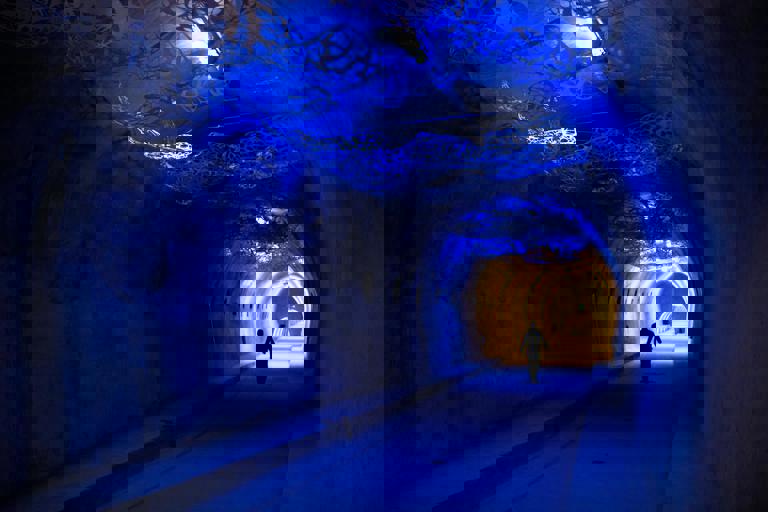
Tucked beneath the city’s bustling streets, an extraordinary metamorphosis is underway. Forgotten tunnels, once critical arteries for shipping, utilities, or outdated transportation networks, are finding a new purpose as avant-garde art spaces. This initiative, spearheaded by a collective of local artists and endorsed by the municipal arts council, is drawing curious crowds eager to experience art in an unconventional setting. The innovation breathes renewed energy into often neglected infrastructural relics, offering both artists and audiences a completely fresh perspective on urban history and creativity.
The latest temporary exhibition, dubbed "Subterranean Perspectives," features an eclectic mix of sculptural installations, interactive light displays, and soundscapes specifically designed for the unique acoustics and quirks of the tunnel environment. Many artists cite the challenge and inspiration drawn from working underground, where traditional lighting and mounting methods must be reimagined. According to installation artist Léa Morin, "The darkness and echoing space push you to think outside the conventional gallery box." The result is immersive artistry that cannot be replicated above ground.
Public response to the tunnel exhibitions has been enthusiastic, with attendance figures surpassing the organizers’ expectations. According to city officials, over 5,000 visitors flocked to the openings during the first week alone. Families, art students, and tourists alike have marveled at both the artistic ingenuity and the chance to explore parts of the city previously off-limits. Local resident Sarah Nadeau shared, “It’s thrilling to discover these hidden areas of our city, transformed by creativity. I now see the tunnels as an essential part of our collective story.”
Security and accessibility were among the primary concerns addressed early in the planning process. The city partnered with safety engineers and accessibility advocates to retrofit entrances, install clear wayfinding signs, and ensure emergency exits were in place. Particular attention was paid to making the tunnel galleries wheelchair accessible and well-lit. "We wanted everyone to feel welcome and safe while visiting these underground spaces," explained event coordinator Jean-Phillipe Lavoie. Their commitment has set a benchmark for future urban art interventions.
Beyond providing new terrain for artistic expression, the tunnel exhibitions have also sparked larger conversations about heritage conservation and adaptive reuse. Historians point out that exposing the public to these hidden infrastructural elements raises awareness about the city’s layered past. Professor Nathalie Paré, an urban historian at a local university, remarked, “Transforming disused tunnels into art spaces reminds us that urban development does not always mean demolition. Sometimes, respect for the past can inspire the future.”
The economic impact of the underground installations has become increasingly evident. Nearby businesses, particularly cafés and boutique shops, have reported a noticeable uptick in sales since the exhibitions opened. City planners view the project as a successful example of culture-driven revitalization. As city council member Benoît Fortin noted, “Art, when thoughtfully inserted into unexpected places, can be a catalyst for local economies. It’s a win-win for artists, business owners, and the community at large.”
Plans to further develop the city’s subterranean network as an alternative cultural circuit are now underway. Organizers are considering incorporating augmented reality elements and live performances into future installations. Potential collaborations with schools and community groups are also being explored, aiming to involve even broader swathes of the population. “This is only the beginning,” said curator Amélie Gagnon. "The possibilities for underground creativity are as limitless as our imaginations."
As word of the tunnel exhibitions spreads, there are calls from other Canadian cities to replicate the initiative. Urban planners from Toronto, Vancouver, and Calgary have already visited the site to study its logistics and audience engagement strategies. For now, the city remains at the forefront of an innovative movement, embracing its hidden spaces not as forgotten relics but as canvases for community and culture. The transformation of these tunnels may be temporary, but their impact is likely to resonate far above ground for years to come.