
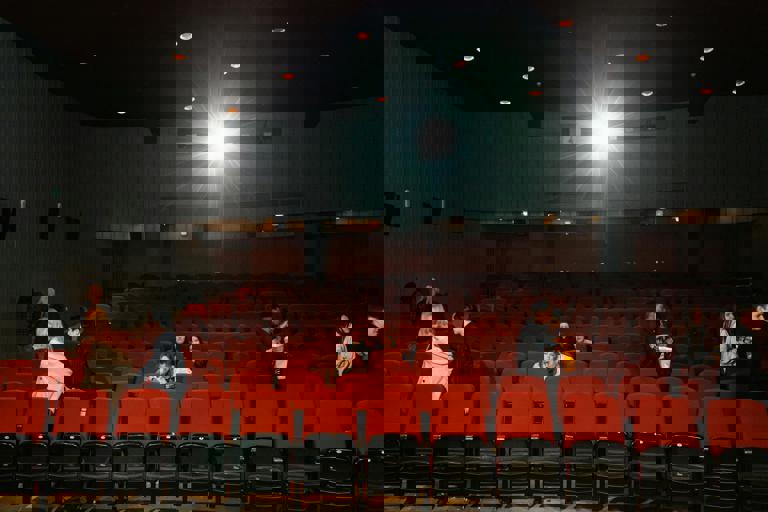
Amidst the gleaming towers and humming traffic of downtown, a remarkable cultural phenomenon is rekindling the spirit of cinema’s golden age. Vintage movie theaters, long dormant or repurposed, are flickering back to life as independent operators revive these storied venues. This movement isn’t just about nostalgia—it’s a vibrant celebration of film history, drawing appreciative crowds entranced by the magic of projected celluloid and the communal joy of shared storytelling.
Independent cinema owners across Canadian cities like Toronto, Montreal, and Vancouver have been at the forefront of this revival, curating schedules brimming with classic films, cult favorites, and rare international gems. Many of these films, unavailable on modern streaming platforms, are presented on original 35mm prints or carefully restored reels. "People yearn for genuine experiences and authenticity," says Anika Shah, director of Toronto’s Silver Maple Cinema. "There’s a palpable excitement in seeing a movie the way it was meant to be seen."
The economic landscape for these revival houses is challenging, with operating costs rising and film distribution deals increasingly competitive. Yet, creative approaches such as partnerships with film archives, collaborations with local artists, and themed screening nights have proven effective. According to a 2023 report by the Canadian Independent Cinema Association, community-based programming has led to increased ticket sales and deeper engagement, especially among younger audiences. This fresh influx of cinephiles is crucial to sustaining the theaters’ resurgence.
Restoration efforts have become a labor of love for many involved in the movement. Often spearheaded by volunteers and local historians, projects have included everything from reseating and acoustic improvements to painstaking restoration of historic marquees. These efforts not only preserve cultural heritage but also breathe life into once-neglected neighborhoods. "It’s as much about neighborhood revitalization as film appreciation," explains Jean-Paul Lavalle, a Montreal-based preservationist who has consulted on several projects.
For filmmakers and cinephiles alike, the revival represents a cherished opportunity to experience the art of film projection, complete with flickers, pops, and that inimitable aura of analog cinema. Contemporary screenings might be followed by panel discussions featuring directors, archivists, or special guests. "A vintage projector gives every frame character," says Calgary projectionist Morgan Fields. "It’s a living history lesson every night; you’re not just watching a film, you’re participating in history."
Audience reactions reflect a deep emotional resonance with these screenings. Many attendees report that the sensory elements—warmth of the projector, scent of popcorn, echo of laughter—bring back memories of formative moviegoing experiences. Toronto resident Samuel Diaz remarked, "It’s unlike anything streaming can offer. I brought my kids to watch a Chaplin film, and seeing them laugh where my parents once did is incredibly moving."
To enhance their appeal, some theaters have collaborated with local businesses, such as breweries, bookstores, and vintage retailers, to create themed nights and pop-up markets. These small-scale community partnerships foster loyalty and draw diverse crowds. In Vancouver, the Pacific Retroplex recently held a "Film Noir & Vinyl" night, featuring a screening of "Double Indemnity" paired with a local record shop’s curated playlists, attracting both film buffs and music lovers.
Programming is often democratic and dynamic, responding to audience feedback and incorporating community suggestions. Many theaters have instituted monthly "audience choice" nights where patrons vote for which films should be screened next. According to a 2024 survey conducted by the Downtown Cinema Guild, 68% of respondents in Toronto said they were more likely to attend a screening if they had a voice in the selection process, highlighting the importance of community engagement.
While the COVID-19 pandemic briefly threatened this renaissance, cinema operators have emerged resilient, adopting measures like staggered seating, enhanced cleaning, and digital ticketing. Additionally, the city governments in places such as Montreal and Victoria have offered grants and support programs intended to help preserve local heritage venues. These initiatives have reassured audiences and ensured that these cherished spaces can weather future uncertainties without compromising their unique character.
Looking ahead, the vintage cinema revival promises not only to safeguard film history but also to enrich the urban cultural landscape. Organizers and audiences alike envision a future where downtown moviehouses once again serve as meeting places—where new generations discover cinematic masterpieces and lifelong movie lovers reconnect with their passion. Through innovation, collaboration, and community engagement, Canada’s classic screens are alight once more, illuminating the past and inspiring the future.