
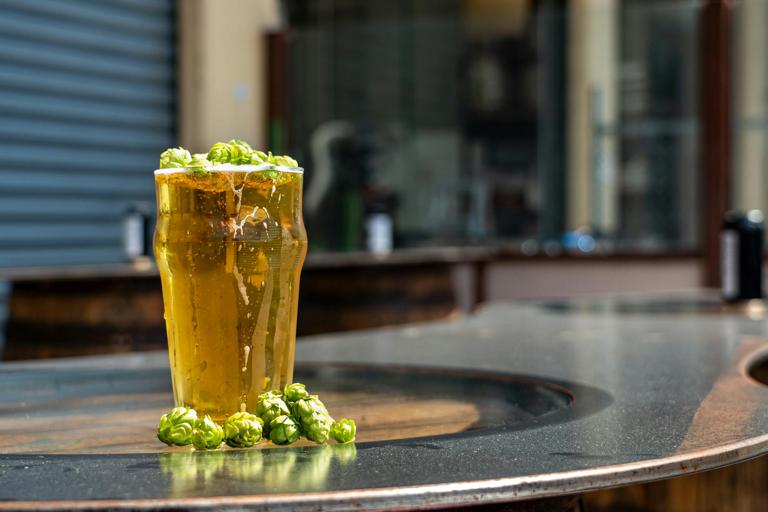
In recent years, Canada’s craft beer industry has witnessed an unexpected yet innovative twist: the introduction of seaweed and algae as beer ingredients. Across the country, passionate brewers are seeking sustainable avenues, and these marine additions have found a place in their creative processes. By using kelp sourced from the Atlantic and algae harvested off the Pacific coast, breweries are responding to a new wave of eco-consciousness and adventurous palates in local beer culture.
For these enterprising brewers, seaweed offers more than just novelty. According to Ben Laurent, head brewer at Halifax’s Harbor Kettle, "Kelp is incredibly rich in minerals and naturally imparts a unique umami character to our ales." He notes that the subtle brininess, combined with a slight saltiness, can elevate traditional styles like stouts or saisons. The process involves carefully balancing flavors so that the seaweed complements, rather than overwhelms, the final product.
Sustainability is a major driving force behind this trend. Unlike traditional grain crops, seaweed requires no arable land, fertilizers, or freshwater, making it an environmentally friendly alternative. Statistics from Ocean Wise, a Canadian conservation group, indicate that seaweed farming can sequester up to 200 times more carbon per square kilometer than land-based crops. Craft brewers, ever mindful of their carbon footprints, see kelp and algae as potential tools for reducing the industry’s impact.
Consumer response to these marine-infused beers has been enthusiastic, especially among younger drinkers with a penchant for bold flavors and sustainable choices. A 2023 survey by the Canadian Craft Brewers Association found that 37% of consumers aged 25-35 expressed strong interest in trying beers with local, novel ingredients. For many customers, the combination of environmental responsibility and culinary adventure marks seaweed-powered beers as must-try options at breweries and taprooms.
Beyond their distinctive taste, seaweed and algae also offer nutritional benefits not often found in traditional beers. These marine plants contain antioxidants, vitamins, and essential minerals, such as iodine and calcium, contributing to the beers’ so-called "functional beverage" status. Nutritionist Carla Finn from the University of British Columbia remarks, "While moderation is still key, beers incorporating edible seaweeds may offer tiny health bonuses compared to their conventional counterparts."
Sourcing local seaweed in a responsible manner has become an essential consideration for breweries. Many partner directly with small-scale kelp farmers or participate in programs promoting regenerative ocean agriculture. Pacific Province Brewing in British Columbia, for example, collaborates with Coastal Greens, a sea farm certified by the Marine Stewardship Council. This ensures that the seaweed in each batch is both traceable and harvested with minimal ecological disturbance.
Yet, embracing seaweed-powered brewing does pose challenges. There are logistical hurdles, such as ensuring a consistent supply of high-quality kelp, as well as technical issues, including adapting brewing equipment and recipes. Regulatory standards also require breweries to maintain strict sanitation protocols with these new ingredients. Despite the obstacles, brewers insist that the resulting beers—ranging from subtly saline saisons to boldly flavored porters—are worth the effort for their distinctiveness and sustainability.
Looking ahead, Canada’s seaweed-powered beer movement shows no signs of slowing down. Festivals celebrating algae-infused brews are planned for cities like Vancouver and Halifax, where public interest continues to grow. As more brewers join this sustainable trend, experts believe that marine ingredients could play a key role in defining the next chapter of Canadian craft beer. For now, adventurous drinkers and eco-enthusiasts alike have good reason to raise a glass to one of the most intriguing shifts in the nation’s brewing landscape.