
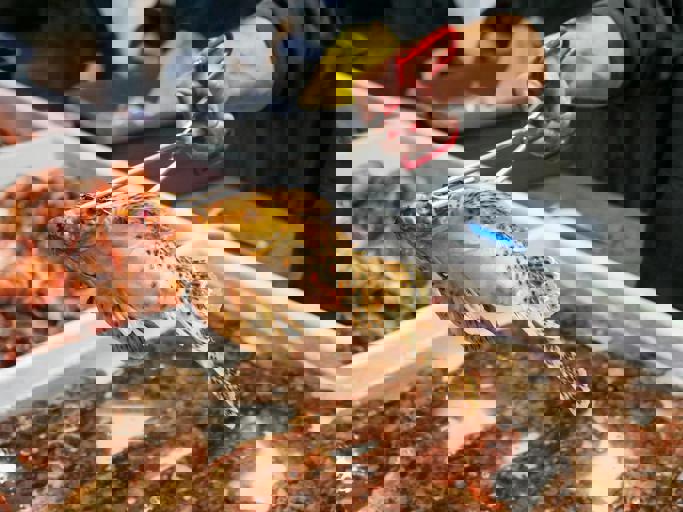
On breezy Saturday mornings, waterfront districts across Canadian cities like Vancouver, Halifax, and Toronto are coming alive with a fresh surge of activity. Mobile fish markets, or pop-up seafood vendors, are drawing throngs of curious urbanites down to the docks. The allure is clear: freshly caught, locally sourced fish and seafood are being offered directly from the fishermen to the customers, bypassing traditional retail intermediaries and invigorating the community spirit of these neighborhoods.
These lively outdoor markets are not a relic of the past, but a dynamic, growing trend that’s redefining how city dwellers connect with their food. Vendors set up temporary stalls, often out of vivid, branded food trucks or repurposed fishing vessels, displaying the day's catch on ice and offering shoppers the rare chance to chat directly with those who harvested it. For urbanites accustomed to supermarket seafood, the difference in freshness and transparency is striking.
According to the Canadian Aquaculture Industry Alliance, seafood consumption has increased dramatically over the past decade, with a notable shift toward local and sustainable choices. Pop-up fish markets serve this demand by prioritizing traceability and freshness. “People want to know where their food comes from,” says Ben Morrison, a Nova Scotia fisherman-turned-vendor. “By selling right off the boat, we’re building trust and showing the care we take in our harvests.”
The revitalization brought by these markets is palpable. Neighborhood streets that once fell quiet after office hours now pulse with life as residents, tourists, and local chefs descend upon the shoreline. Not only do the markets offer an array of fish—cod, halibut, mackerel, and even rarer shellfish—but they also foster cultural exchange, with stories and recipes being swapped alongside wild-caught fare.
In many waterfront areas, these mobile markets have spurred economic growth. Small-scale fisheries and independent vendors are reporting boosted revenues and unprecedented customer loyalty. Tamara Kwan, owner of Pacific Pop-up Seafood, notes, “There’s a ripple effect. People come for the fish, and then they stay for the coffee shops, bakeries, and craft stores nearby.” This foot traffic supports entire neighborhoods, revitalizing retail and strengthening the sense of community.
Health and sustainability also lie at the core of this movement. With fears about overfishing, microplastics, and seafood fraud mounting worldwide, Canadian pop-up vendors are often among the first to embrace ocean-friendly certifications and transparent sourcing. Customers can ask questions on the spot about fishing methods or seasonal species, making educated, responsible choices that benefit both the environment and the local economy.
The social impact of these weekly markets extends beyond commerce. Events are often accompanied by live music, cooking demonstrations, and educational tents where families learn about marine conservation, sustainable fisheries, and smart seafood choices. Children gather around touch tanks teeming with live crabs and starfish, while adults share in the festive atmosphere, reconnecting with their coastal heritage and culinary traditions.
Beyond the visible excitement, these pop-up markets are inspiring innovative partnerships. Some collaborate directly with local restaurants, offering “catch of the day” specials that highlight ultra-fresh seafood straight from dock to table. Others link up with community organizations to donate surplus catches to local food banks, helping address food insecurity and reduce waste while promoting healthy dietary options for underserved residents.
Regulatory frameworks have played a role in enabling these markets to flourish. Recent municipal changes in cities like Victoria and St. John’s have simplified permitting for mobile vendors, reducing bureaucratic barriers and encouraging start-ups. While challenges remain—from ensuring food safety standards to handling unpredictable weather—vendors are adapting with refrigerated units, mobile apps for pre-orders, and creative branding that draws loyal followings week after week.
As the trend continues to expand, experts believe mobile fish markets may hold the key to more resilient, connected, and sustainable urban communities. “It’s about rebuilding our relationship to the water and those who work it,” says Dr. Lily Chang, a food systems researcher at the University of British Columbia. “These markets are much more than a novelty—they represent a thriving, inclusive ecosystem that benefits everyone involved.”