
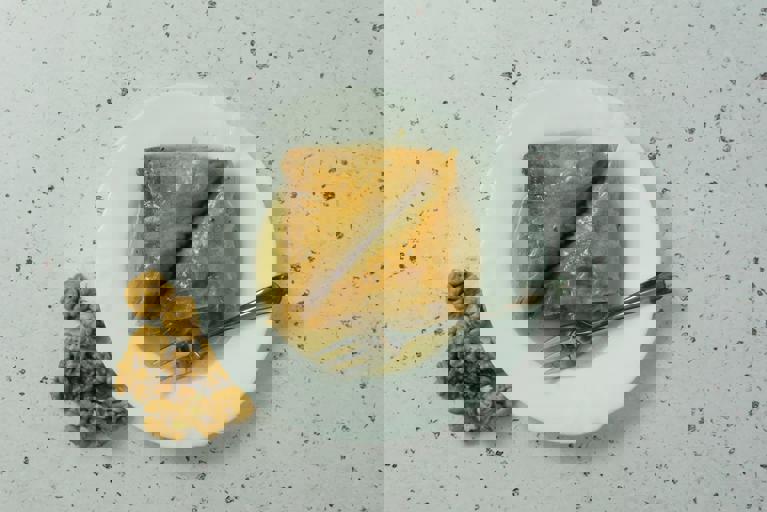
A sweet wave has taken over the downtown core, as new baklava cafés open shop and compete for the attention of dessert enthusiasts. Once dominated by conventional pastry shops and coffeehouse chains, the area now buzzes with Middle Eastern influences. Visitors strolling along Queen Street or College Avenue are greeted by the aromas of honey, pistachios, and buttery filo pastry wafting from shopfronts, indicating a delicious shift in the city's dessert landscape.
The proliferation of baklava cafés is more than just a food trend—it is rapidly becoming a cultural phenomenon celebrated by both locals and tourists. "There’s a real excitement around discovering something different downtown," says Maya Khalil, owner of Saffron & Walnut. "People are eager to try sweets they may have only heard about or tasted abroad." Local food group Discover CA reports a 30% increase in Middle Eastern dessert sales across the city center within the past year.
Each café brings its own interpretation of the classic treat, showcasing both traditional and modern twists. Some stick to time-honored recipes, layering nuts, honey, and filo with meticulous precision, while others offer playful variations like matcha baklava or vegan-friendly options. "Our cardamom-pistachio baklava has become our signature flavor," shares Yusef Sabri of Honey Veil Café. "We want to introduce new combinations while respecting tradition."
Competition, of course, is fierce. With more than a dozen baklava cafés now within a few downtown blocks, business owners have had to differentiate themselves not just through flavor but also through ambience and customer experience. Plush seating, Turkish coffee service, and even live oud music on Saturday nights are becoming selling points. Many cafés also host baklava tasting flights, allowing patrons to sample a selection of flavors in one sitting.
The fierce rivalry hasn’t gone unnoticed by the city’s culinary critics. In a recent roundup, Toronto Living Magazine praised the “bursting diversity and elevated craftsmanship” of local baklava makers, noting how several shops managed to stand out with butter sourced from small Canadian dairies and premium imported nuts. Such attention to ingredient provenance has become a decisive factor for discerning customers.
Local residents seem thrilled with the burgeoning scene, with many flocking to these cafés for more than just desserts. “It’s a new place for community,” says Marwa Benkali, a lifelong downtown resident. “Families gather here after dinner, friends meet up to share sweets—these cafés feel welcoming to everyone.” The new bakeries are reportedly boosting foot traffic in previously quieter neighborhoods, bringing new life to local blocks.
Tourists are also increasingly making stops at these dessert spots, guided by mentions in travel blogs and foodie Instagram accounts. According to the Downtown Visitor Association, over 40% of visitors surveyed in May listed baklava cafés as a “must-try” culinary experience, rivaling more established stops like Chinatown bakeries or Italian gelaterias. This, in turn, offers downtown businesses a much-needed boost as they recover from pandemic downturns.
If current trends are any indication, the baklava rivalry is set to sweeten the city center for some time. While competition among the cafés remains heated, the greater winner may be the community as a whole, with a richer, more interconnected food scene welcoming new traditions. As summer approaches, these shops are preparing for festivals and baklava-making workshops, promising even more opportunity for locals and visitors to experience Middle Eastern pastry culture firsthand.