
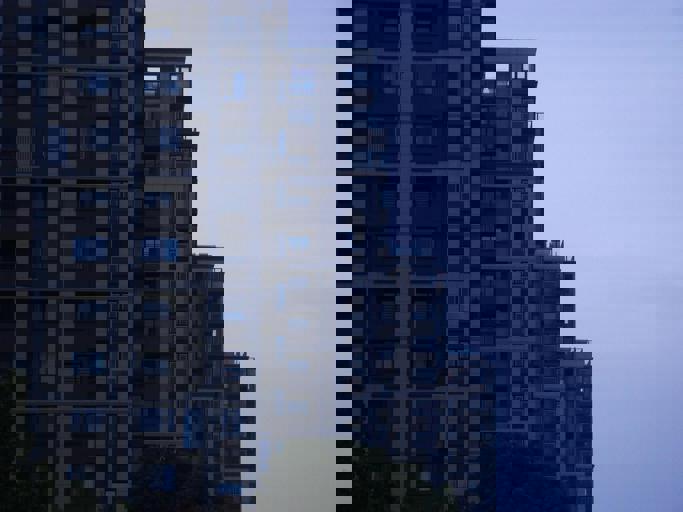
In a decision with far-reaching implications for the city’s future, the City Council voted late Tuesday evening to impose new height restrictions on buildings along the prominent riverside district. The resolution, passed after a lengthy debate, will limit new high-rises to 12 storeys, effectively setting a defined skyline boundary for developers and preserving the sweeping panoramas that have become a signature feature of the city’s urban landscape.
The council chamber was filled beyond capacity as residents, business owners, and developers packed into the hall to witness the vote in person. Public interest had surged since the council first commissioned a visual impact study last year, which indicated that further unregulated vertical development could obscure cherished views of the river, downtown, and distant mountains that are emblematic of the community’s identity.
Mayor Elodie Tremblay acknowledged the intensity of public sentiment on the issue during her remarks preceding the vote. 'We heard the community’s desire to preserve our waterfront vistas,' she stated. 'This compromise upholds our heritage and quality of life, while still allowing responsible development.' According to city surveys, over 60% of respondents indicated that maintaining open views was a top concern in recent planning priorities.
Opposition to the measure was voiced most strongly by representatives of the city’s real estate and construction sectors. Developers argued that height limits threaten housing supply and economic growth, especially as demand for riverfront property surges. 'This policy could price many local families out of the market,' said Garry Kwan, CEO of Horizon Developments. 'Smart urban density, including taller residential buildings, is crucial if we want a vibrant, affordable city.'
However, neighbourhood associations and heritage groups celebrated the council’s decision. Many cited examples from cities like Vancouver and Halifax, where tight waterfront controls have maintained unique cityscapes. 'We fought to keep our river’s beauty available to everyone—not just those with penthouse views,' asserted Jean-Pierre Leclerc, president of the Waterfront Preservation Coalition. Community groups handed in a petition backed by over three thousand signatures in support of the height cap.
Architects and urban planners were split on the council’s approach. Some experts, like urbanist Dr. Suzanne Fortier, praised the new rules for fostering a balanced connection between built and natural environments. 'It’s about visual permeability—ensuring people feel oriented within their city,' Dr. Fortier explained. Others countered that strict height limits might encourage urban sprawl or detract from the city’s efforts to achieve sustainability targets through densification.
The official planning document released Wednesday morning details additional zoning amendments tied to the height restriction. Guidelines call for green roof installations, expanded public corridors to the river, and limitations on podium massing to avoid creating a wall-like effect. The city intends to launch a design review board to oversee future waterfront proposals, ensuring compliance with both aesthetic and environmental objectives.
Some local businesses expressed concern about the speed of policy implementation. Café and boutique owners on Rue du Quai, which faces the river, worry that construction freezes while new permits are reviewed could harm seasonal revenue. 'We appreciate protecting the views, but delay is always bad for business,' said Sunny Desai, who runs a popular riverside eatery. The council assured residents that an expedited application process would be rolled out within three months.
Economists tracking the city’s real estate market noted immediate shifts in buyer interest following the council’s announcement. Realty analyst Patricia Gibbs observed a spike in inquiries for existing riverfront properties, speculating this reflects buyers’ desire to secure unobstructed views before any further development proceeds. 'Supply will be even more limited now, which could put upward pressure on prices in these prime locations,' she noted.
On the environmental front, advocates highlighted the vote as a victory for public access and local biodiversity. Riverbank parks and trails, which draw tens of thousands annually, are expected to remain undisturbed by new towering structures. Environmentalist Marc-André Côté pointed out that limiting high-rises near the water would preserve natural light, bird habitats, and migratory fish populations, all of which thrive in open, sunlit spaces.
Council members were careful to stress that the new boundaries are not intended to halt growth or innovation altogether. Provisions exist for exceptional design—such as cultural centres or green buildings—that meet rigorous standards and provide demonstrable public benefit. Deputy Mayor Chantal Rousseau noted, 'We remain committed to a thriving, forward-looking city. This policy helps us grow smartly, with respect for what makes our place special.'
As the city embarks on this new chapter of urban stewardship, both proponents and critics agree that the coming years will test the efficacy and flexibility of the waterfront restrictions. Regular reviews are built into the bylaw, promising continued public consultation and adjustment as needed. For now, the city’s iconic river views remain secure, framed by a skyline intentionally shaped by its residents’ collective vision and values.