
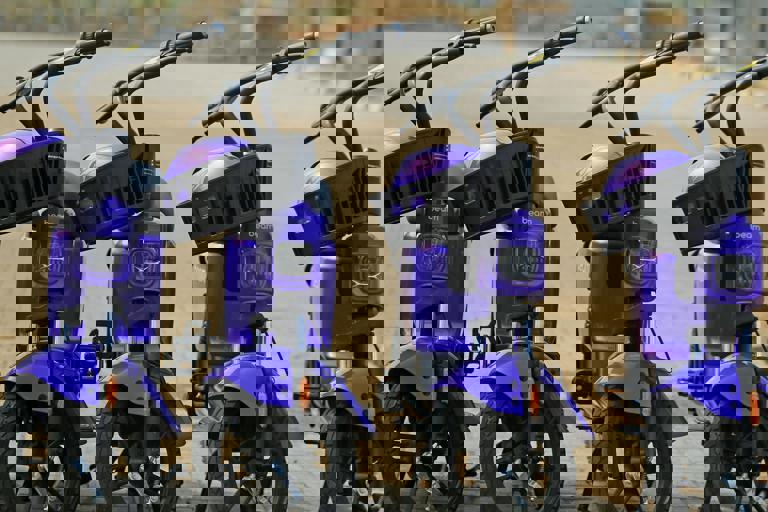
City officials in Toronto have launched an intensified enforcement campaign targeting illegally parked electric scooters, leading to the impoundment of several hundred vehicles within the last week. The crackdown comes amid mounting complaints from residents and advocacy groups about scooters obstructing sidewalks, bike lanes, and crosswalks. Authorities argue that these blockages pose safety risks to pedestrians, cyclists, and even motorists, urging immediate action to restore public order and accessibility.
According to the city’s Parking Enforcement Unit, patrols have increased in high-traffic areas known for scooter congestion, including downtown corridors and transit hubs. Officers have been equipped with new directives and technology to quickly identify, document, and remove offending vehicles. "Our goal is compliance, not punishment," said Sergeant Michael Levesque. "We need to ensure our public spaces are safe and accessible for everyone, especially people with disabilities and young children."
This latest surge in enforcement has sparked debate among residents and scooter users alike. Some have praised the city’s efforts, recalling instances where navigating sidewalks became nearly impossible due to abandoned scooters. Others, like Ryerson University student Maria Chen, feel the response is disproportionate. "Scooters are essential for many of us, especially with transit delays," she explained. "Instead of impounding, maybe better parking infrastructure would help."
In response to the increased activity, several scooter companies operating in Toronto, including Bird and Lime, have reiterated their commitment to responsible ridership. Both companies issued statements reminding users to park vehicles only in designated areas and to follow city guidelines. Bird spokesperson Leo Nguyen emphasized, "We provide regular reminders through our app, but ultimately, it’s up to each rider to be considerate and follow the rules."
Statistics released by the city show that more than 400 scooters were impounded during the first week of the crackdown, a number that city officials say highlights the scale of the issue. Prior to the operation, the city received an average of 75 complaints monthly regarding scooters blocking public pathways, a figure that had nearly doubled since last summer as ridership surged.
Accessibility advocates have welcomed the move, calling it a crucial step toward making public spaces safer for vulnerable populations. Janet Holmes, director of Access Toronto, remarked, "When scooters block curb cuts and tactile walking surfaces, people in wheelchairs or with visual impairments are forced into dangerous traffic. Enforcement alone won’t solve the problem, but it’s a necessary start." The group is calling for a broader discussion around inclusive infrastructure.
Toronto City Council is now considering additional measures to address the root of the issue. Proposals under discussion include creating more dedicated scooter parking zones, introducing fines for repeat offenders, and integrating better signage on busy streets. Councillor Harold Singh believes collaboration is key: "We have to bring together riders, companies, and the city’s planners to design solutions that accommodate everyone’s needs."
The crackdown has also reignited conversations about the broader place of e-scooters within Toronto’s transportation ecosystem. Advocates for active transportation argue that scooters, when used responsibly, provide a sustainable alternative to cars and can help reduce traffic congestion and emissions. However, detractors worry that without clear rules and adequate enforcement, public safety will continue to be compromised.
With public opinion divided, city officials say ongoing engagement will be vital. Another round of community consultations is scheduled for next month, inviting input from residents, riders, disability groups, and scooter companies. Meanwhile, parking enforcement officers plan to maintain their current patrol levels throughout the summer, aiming to strike a careful balance between accessibility, innovation, and personal responsibility across Toronto’s bustling streets.